Spain's PM Targets Migrant Traffickers as 60,000 Reach Ceuta
Spain's PM blames migrant traffickers after 60,000 migrants reach Ceuta from Morocco. Most returned to Morocco by Friday as Italy suspends Schengen agreement.
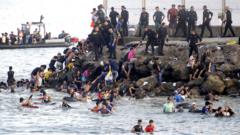
Spain's PM Targets Migrant Traffickers Following Massive Border Crossing
Spain's Prime Minister has directly attributed responsibility for the unprecedented surge to organized migrant traffickers following the arrival of approximately 60,000 individuals at the North African enclave of Ceuta from neighboring Morocco. The statement underscores escalating tensions surrounding migrant trafficking networks operating across the Mediterranean region and their role in facilitating large-scale unauthorized border crossings.
Rapid Return of Migrants to Morocco
By Friday evening, Spanish authorities confirmed that the substantial majority of migrants who had arrived at Ceuta had been returned to Morocco. This rapid repatriation process reflected coordinated efforts between Spanish border authorities and Moroccan officials to manage the unprecedented influx. The swift resolution represented a significant operational response to what authorities characterized as an organized movement orchestrated by criminal trafficking elements.
Italy's Response: Schengen Suspension
In a significant diplomatic development, Italy announced the suspension of its Schengen agreement provisions governing free movement with Madrid. This decision signals deepening friction among European Union member states regarding migration management and border control protocols. The Schengen Area, established to facilitate seamless travel across participating nations, experienced strain as Italy took unilateral action in response to the migration surge affecting the broader region.
Understanding the Migrant Trafficking Networks
The crisis highlighted the sophisticated operational capacity of migrant trafficking organizations. These networks exploit vulnerable populations seeking better opportunities, charging substantial fees while exposing migrants to dangerous journey conditions. The involvement of migrant traffickers in coordinating the movement of 60,000 individuals demonstrates their expanded reach and organizational sophistication across North African migration routes.
EU Border Security Concerns
The incident raised critical questions regarding European border security effectiveness and the coordination mechanisms between member states. Italy's decision to suspend reciprocal Schengen movement privileges with Spain reflects concerns that inadequate controls at Spain's southern borders could facilitate unauthorized onward migration into other European territories. Such tensions underscore the fragility of open-border agreements when migration pressures intensify.
Diplomatic Implications and Future Negotiations
Spain's government emphasized that the unprecedented arrival represented a deliberate orchestration by criminal organizations rather than a spontaneous migration event. This characterization shapes the policy response and influences diplomatic discussions with other European partners. The involvement of migrant traffickers as central actors reframes the issue from humanitarian to security-focused perspectives within EU policy conversations. Future negotiations will likely address both enhanced border management and coordinated approaches to disrupting trafficking operations throughout North Africa.
The situation demonstrates how migrant traffickers operate as influential actors in shaping migration patterns and creating diplomatic incidents that reverberate across the European Union's internal governance structures.


