Sainsbury's Sells Argos to TD Synnex for £120 Million
Sainsbury's completes Argos sale to Td Synnex for £120m. Argos continues operations in Sainsbury's stores with Habitat products and Nectar rewards.
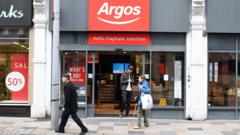
Sainsbury's Argos Sale Agreement Finalized
The major retail transaction involving Sainsbury's Argos sale has been formalized following extensive negotiations between the supermarket chain and the purchasing entity. This significant Sainsbury's Argos sale represents a strategic shift in the company's retail portfolio management and operational structure.
Key Terms of the Transaction
The comprehensive agreement establishes several critical operational parameters that will govern how Argos functions moving forward. Despite the change in ownership, Argos will maintain its established presence within Sainsbury's store locations, ensuring continuity for customers who have grown accustomed to accessing the retailer through supermarket branches.
Store Operations and Brand Continuity
A cornerstone of the deal ensures that Argos locations embedded within Sainsbury's outlets will continue their normal retail operations without disruption. This arrangement preserves the symbiotic relationship between the two brands and maintains customer convenience across the retail network.
Product Portfolio Integration
The transaction includes provisions regarding Habitat product sales, the home furnishings brand traditionally associated with Argos. This product range will continue to be available through the established distribution channels, supporting the brand's market presence and customer accessibility.
Customer Loyalty Program Continuation
An essential component of the agreement centers on the preservation of Nectar points functionality within Argos operations. Customers will retain their ability to earn and redeem Nectar loyalty rewards when shopping at Argos, maintaining the interconnected benefits that have proven popular with the retail customer base. This continuity demonstrates a commitment to protecting consumer interests throughout the transition.
Strategic Implications for Retail Sector
The Sainsbury's Argos sale reflects broader market trends within the retail industry, where large conglomerates optimize their holdings and focus resources on core business operations. By divesting Argos while maintaining operational partnerships, Sainsbury's achieves financial objectives while preserving valuable customer touchpoints.
Market Positioning
This transaction allows Sainsbury's to strengthen its financial position while maintaining the benefits of Argos's customer base and operational capabilities. The arrangement represents a sophisticated approach to portfolio management that balances shareholder returns with operational efficiency.
Competitive Landscape
Within the competitive retail environment, maintaining Argos within Sainsbury's stores provides a strategic advantage. Customers can access diverse product categories—from groceries to general merchandise—within single locations, enhancing the overall shopping experience and customer loyalty.
Financial Considerations
The £120 million valuation attached to this transaction reflects current market assessments of Argos's business value, customer base, and operational assets. This figure represents a comprehensive evaluation of the brand's market position, profitability potential, and strategic importance within the broader retail landscape.
Operational Continuity and Employee Impact
The agreement incorporates mechanisms designed to ensure operational stability throughout the transition period. Staff members and operational teams will continue their responsibilities within established frameworks, minimizing disruption to daily business activities and customer service delivery.
Conclusion
The successful completion of the Sainsbury's Argos sale establishes a new operational structure while preserving customer benefits and brand continuity. With Argos maintaining its presence in Sainsbury's locations, continuing Habitat product sales, and sustaining Nectar point rewards, the transaction balances financial objectives with customer service priorities. This arrangement demonstrates how major retail transitions can be structured to benefit all stakeholders while maintaining the essential services that customers depend upon in their shopping routines.