Funeral Director Sentenced to 20 Years for Failing to Bury Bodies
Funeral director Robert Bush jailed for 20 years after failing to bury and cremate bodies, giving bereaved families ashes of strangers.
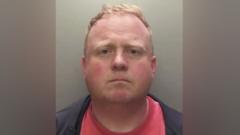
Funeral Director Jailed for Decades Over Bodies Burial Failure
A prominent funeral director has been sentenced to 20 years in prison for his criminal failures regarding the proper burial and cremation of deceased individuals. The case involving Robert Bush has shocked the funeral services industry and devastated countless families who entrusted their loved ones to his care. This funeral director jailed conviction marks one of the most serious breaches of trust in the funeral services profession in recent years.
The Nature of the Offenses
Robert Bush operated a funeral home where he systematically failed to fulfill his basic obligations to bereaved families. Rather than properly burying deceased clients as requested, Bush neglected his responsibilities, leaving bodies unburied for extended periods. Additionally, he failed to complete cremation services that families had specifically paid for and arranged.
The funeral director jailed case revealed an even more disturbing pattern of misconduct. Families who believed they were receiving the ashes of their deceased loved ones were instead given the ashes of complete strangers. This callous deception compounded the emotional trauma experienced by grieving relatives who discovered the truth about what had happened to their family members.
Impact on Bereaved Families
The consequences of Bush's criminal conduct extended far beyond administrative failures. Countless families experienced profound emotional suffering upon learning that their loved ones had not been treated with the basic dignity and respect they deserved. The discovery that they had received incorrect ashes transformed their mourning process into a nightmare scenario filled with anguish and betrayal.
Families were forced to confront the horrifying reality that their trust in a professional they had hired during their most vulnerable moments had been completely violated. The funeral director jailed for these offenses had exploited the grief and vulnerability of people seeking proper funeral arrangements for their departed relatives.
Criminal Charges and Investigation
The investigation into Robert Bush's funeral home operations uncovered extensive documentation of wrongdoing. Authorities discovered records indicating a pattern of willful negligence and deliberate deception spanning months or potentially years. The systematic nature of these crimes suggested that Bush was not simply overwhelmed or incompetent, but rather engaged in calculated misconduct.
Law enforcement agencies worked to identify all affected families and notify them of the crimes committed against them. The scope of the investigation revealed the magnitude of Bush's criminal enterprise, affecting dozens of families across multiple cases. Each case required individual investigation to determine what had happened to their loved ones and to provide families with accurate information about their relatives' remains.
Legal Consequences and Sentencing
The court determined that Robert Bush's conduct warranted a substantial prison sentence. The 20-year sentence reflects the severity of his crimes and the extensive harm caused to grieving families. The funeral director jailed verdict sends a clear message that such breaches of professional responsibility will result in serious criminal penalties.
During sentencing, the court emphasized the sacred trust that families place in funeral professionals. Judges noted that Bush had systematically betrayed that trust, treating the deceased and their families with contempt. The substantial prison term was designed not only to punish Bush's conduct but also to deter other funeral professionals from engaging in similar misconduct.
Industry Implications and Reforms
The case involving this funeral director jailed for cremation and burial failures has prompted discussions within the funeral services industry about enhanced oversight and accountability measures. Professional organizations are examining existing regulations and considering new requirements for funeral homes to maintain detailed records and undergo regular inspections.
Many states are reviewing their licensing and regulatory frameworks for funeral homes. Some jurisdictions are implementing stricter record-keeping requirements, mandatory documentation of all cremations and burials, and more frequent surprise inspections. These reforms aim to prevent similar scandals from occurring in the future and to restore public confidence in funeral service providers.
Lessons for Families Selecting Funeral Services
The Robert Bush case serves as a cautionary tale for families planning funeral arrangements. Families are now advised to thoroughly research funeral homes, verify credentials, request references, and maintain detailed documentation of all arrangements and agreements. Some families are requesting witnesses present during cremation processes and requesting DNA verification of cremated remains when possible.
Consumer advocates recommend obtaining written agreements that specify exactly what services will be provided, when they will be completed, and what happens if the funeral home fails to deliver these services. Families should request detailed invoices and documentation of all procedures performed on their loved ones' remains.
Conclusion
The conviction and sentencing of Robert Bush represents a significant moment for funeral industry accountability. This funeral director jailed for two decades will serve his sentence while families continue to cope with the emotional fallout from his crimes. The case underscores the importance of proper regulation, oversight, and professional ethics in funeral services, an industry that depends entirely on the trust and confidence of families during their most difficult moments.


