Dover Road Blockade: Vigilantes Warn of Return Without Police Action
Black-clad vigilantes threaten to repeat Dover road blockade unless police intensify enforcement. Far-right group Patriot Platform claims responsibility for major disruption.
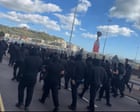
Black-Clad Vigilantes Issue Warning Over Dover Road Blockade
Authorities in Kent face mounting pressure as organizers of the recent Dover road blockade vigilante action warn of further disruptions. The incident, which severely impacted traffic and port operations, has prompted serious concerns from both political figures and civil society organizations about public order and security responses.
The masked demonstrators who orchestrated the Dover road blockade blockade dressed entirely in black and strategically positioned themselves to halt vehicle movement through the crucial transport corridor. According to authorities and eyewitnesses, the coordinated nature of the action suggested advanced planning and organization among participants.
Patriot Platform Claims Responsibility
Patriot Platform, an organization aligned with anti-immigration positions and possessing documented connections to far-right movements, has publicly claimed responsibility for organizing the Dover road blockade demonstration. The group characterizes itself through nationalist rhetoric, emphasizing what members describe as an unwavering commitment to protecting national interests.
Statements released by the organization suggest ideological motivations centered on immigration policy and border control concerns. The group's public positioning indicates it views the Dover port area as a significant focal point for advancing its agenda and drawing media attention to its cause.
Campaign Groups Raise Alarm
Leadership at Hope Not Hate, a prominent organization dedicated to countering extremist movements, has directly attributed the Dover road blockade capacity for large-scale mobilization to insufficient police intervention. The organization's founder emphasized that the group's ability to organize and execute such a significant demonstration reflects what they characterize as inadequate law enforcement response to early warning signs.
According to Hope Not Hate's assessment, the apparent coordination and scale of the Dover road blockade action would not have been possible without what the organization views as police inaction or delayed response protocols. This criticism points to broader concerns about intelligence gathering, prevention strategies, and intervention timing in relation to planned protest activities.
Political Responses and Concerns
Members of parliament and local government officials have expressed serious concern regarding the Dover road blockade incident and its implications for public safety and economic activity. The disruption to traffic flow and port operations created ripple effects throughout regional commerce and supply chains.
Politicians have called for comprehensive reviews of policing strategies and resource allocation. They argue that preventing future Dover road blockade incidents requires proactive engagement, enhanced intelligence capabilities, and swift operational responses to detected threats. Some officials have suggested that insufficient police preparedness enabled the demonstration to achieve its disruptive objectives.
Future Threats and Security Measures
The threat of repeated Dover road blockade actions has galvanized discussions about enhanced security protocols at critical infrastructure points. Port authorities and regional security officials are reportedly developing contingency plans to prevent similar disruptions in the coming months.
The Dover road blockade incident has raised questions about the balance between permitting legitimate protest activity and protecting essential transportation infrastructure. Security experts suggest that distinguishing between constitutionally protected demonstration rights and organized disruption activities remains legally complex.
Broader Implications for Public Order
The Dover road blockade demonstrates the capacity of organized groups to generate significant disruption through coordinated action at strategic locations. The incident has prompted broader conversations within law enforcement and government about early detection systems, community intelligence, and intervention strategies.
Officials acknowledge that preventing future Dover road blockade events requires sustained cooperation between multiple agencies, including local police, port authority personnel, and national security services. The convergence of anti-immigration activism with coordinated street protest tactics represents an evolving challenge for public order management.
As concerns about the Dover road blockade repeat remain active, authorities emphasize their commitment to ensuring that future demonstrations do not compromise essential economic infrastructure or public safety. The incident serves as a case study in contemporary protest dynamics and the complex relationship between free expression rights and community protection obligations.